Track inventory with barcode and RFID technology
A practical starting point for choosing the identification method that the warehouse can actually keep accurate.
- Published: 21 August 2026
- Practical guide
- Warehouse operations
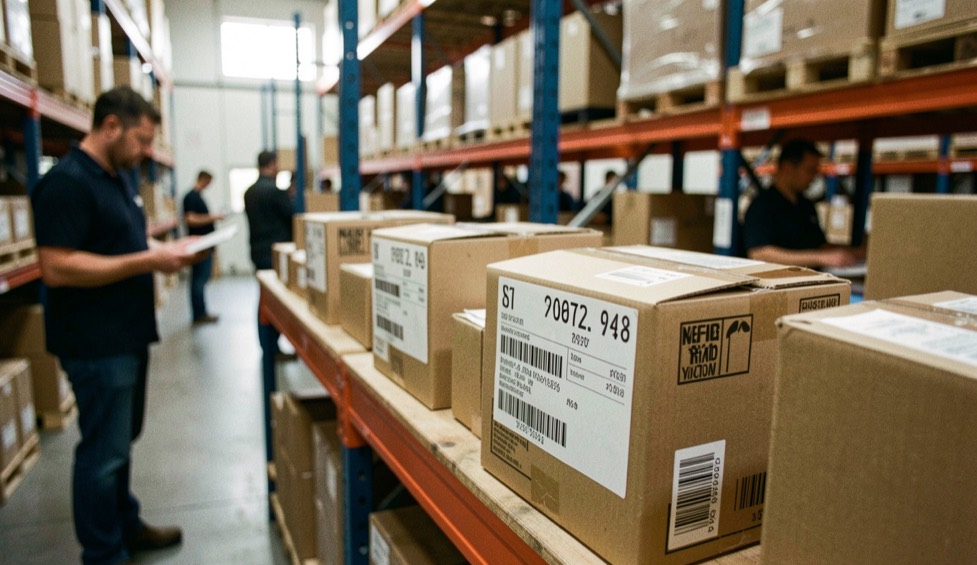
Compare barcode and RFID inventory tracking by reading conditions, process discipline, data quality and cost of change. The useful answer depends on the local layout, the goods and the people who use the process, so this guide starts with observations that can be checked on site.
Start with the event
Inventory data is useful when it records a real event: receipt, move, pick, count or dispatch. Define the event and the location before choosing the label or reader. This keeps the project focused on decisions the team needs to make.
Compare the reading conditions
Barcodes need a visible, readable label and a deliberate scan. RFID can reduce line-of-sight work in suitable conditions, but the environment, tag placement and reader setup still matter. Test the actual packaging and routes rather than comparing the technologies in isolation.
Protect the data path
A scan is only as useful as the location, timestamp and item identity attached to it. Define how exceptions are corrected, how duplicate reads are handled and who reviews missing events. Start with a small, complete flow so the team can see whether the record matches the physical stock.
Continue with a related guide
- Understand how automation is changing warehouse roles22 August 2026
- Choose between pallet racking and shelving systems07 July 2026
- Maximise vertical storage space in low-ceiling warehouses12 August 2026